Unlock Your Music: One-Time Fee Distribution Explained
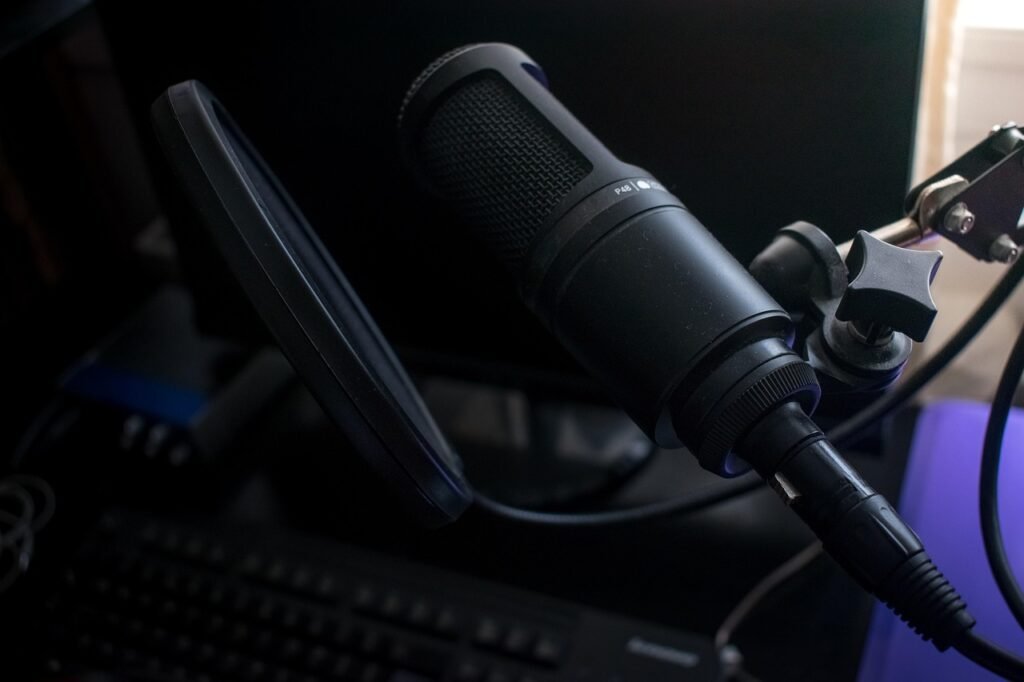
For independent musicians, the idea of a “music distribution one-time fee” is often a dream. The promise of getting your music out to the world without recurring costs or sacrificing your hard-earned royalties is incredibly appealing. This guide breaks down what that means and how it can work for you.
Understanding the Distribution Landscape
Getting your music onto major streaming platforms and digital stores like Spotify, Apple Music, and Amazon Music is essential for reaching listeners. Historically, this process was complex and often required signing away significant portions of your rights or revenue to record labels. Today, digital distributors bridge that gap for independent artists.
However, not all distribution models are created equal. Many distributors operate on a subscription basis, charging you annually or monthly to keep your music live. Others take a percentage of your royalties, meaning every stream or download means a cut for them.
The Appeal of a Single Payment Model
A one-time fee distribution model means you pay an upfront cost, and in return, your music is distributed and remains live on platforms indefinitely, or for a very long period, without further annual fees. This can be a significant advantage for artists on a budget, as it allows for predictable expenses and avoids ongoing financial commitments.
When you opt for a one-time fee, you’re essentially buying the service of getting your tracks uploaded and maintained on various platforms. This contrasts sharply with models that nickel-and-dime you with yearly subscriptions or skim off the top of your streaming revenue. For many independent artists, this approach offers greater financial stability and clarity.
What You Actually Pay For (and What You Keep)
When considering a one-time fee for music distribution, it’s crucial to understand what that payment covers. Typically, it includes:
- Distribution to numerous stores: Your music gets sent to 480+ digital stores and streaming services worldwide.
- Metadata management: Ensuring your song information (artist name, title, genre, etc.) is correct across all platforms.
- ISRC and UPC codes: These are unique identifiers for your recordings and releases, essential for tracking royalties.
The core benefit of a one-time fee model, especially for artists like those supported by Song Sprouts, is that you keep 100% of your rights. This means you maintain full ownership of your master recordings and publishing. Additionally, the goal is for you to keep 100% of your royalties. This is a critical distinction from many traditional distribution deals or even some “free” distribution services that might claim a percentage of your earnings.
When evaluating options, it’s important to look closely at what music distribution actually costs you beyond the initial price tag. Some services might have hidden fees or take a cut of your backend royalties, even if they advertise a low upfront cost.
The Royalty Question: Who Gets What?
The phrase “music royalty fee” often causes confusion. When you distribute your music, royalties are generated from various sources: streaming, downloads, public performance, and synchronization. The goal for independent artists is to maximize the percentage of these royalties that come directly to them.
With a truly artist-friendly one-time fee distribution service, there should be no additional “royalty fee” taken by the distributor. Your one-time payment covers the distribution service itself, and all the revenue your music generates (minus the platform’s cut, like Spotify’s share) should flow directly to you. This means you retain every penny of the artist’s share of streaming, download, and other digital royalties.
This is a fundamental difference between various distribution models. Some companies might offer “free” distribution but then take a significant percentage (e.g., 15-30%) of your royalties. Over time, for an artist with growing streams, this can amount to far more than a single upfront payment. Always clarify the royalty split before committing to a distributor. Understanding these nuances is key to finding the right music distribution for independent artists.
Why Rights Matter
Retaining 100% of your rights is paramount. As an independent artist, your music is your intellectual property. Giving up rights, even a small percentage, can limit your future opportunities for licensing, collaborations, or even selling your catalog down the line. A one-time fee model that explicitly states you keep all your rights protects your creative and financial independence.
For more detailed insights into getting your music out there as an independent artist, consider exploring resources on Music Distribution for Indies.
Is a One-Time Fee Right For You?
A one-time fee distribution model is particularly beneficial for artists who:
- Want predictable costs without ongoing subscriptions.
- Prioritize keeping 100% of their royalties and rights.
- Are confident in their music and want to invest in its long-term availability.
- Prefer a straightforward, transparent financial arrangement.
As you navigate the exciting world of independent music, finding partners who align with your goals of ownership and fair compensation is crucial. A well-chosen one-time fee distribution can be a powerful tool in your artistic journey.